Serving Hallandale Beach, FL and surrounding areas. (954) 676-1764
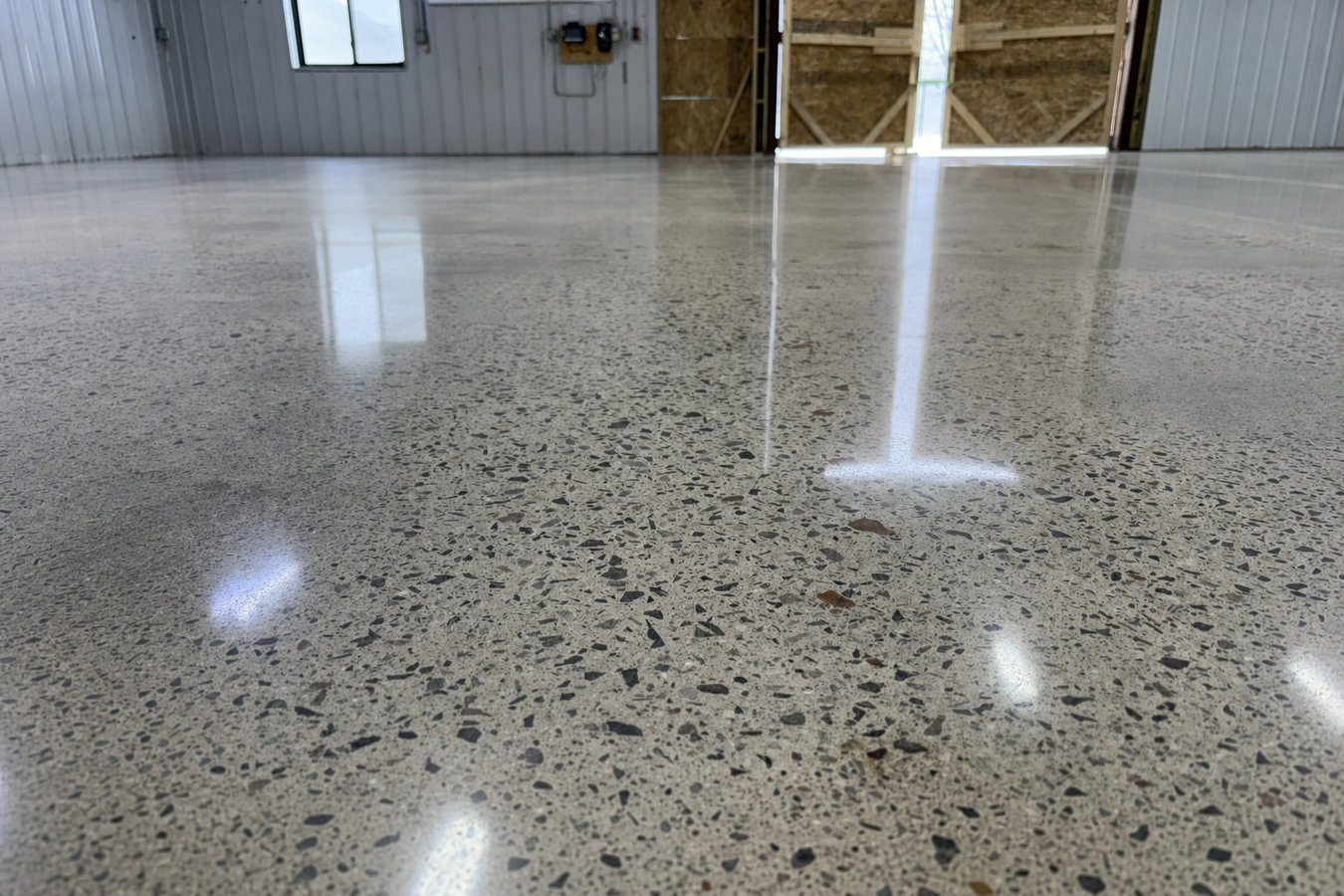
South Florida sun, salt air, and daily rain break down unsealed concrete fast. We seal your driveway, patio, or pool deck with products built for this climate - so the surface holds up instead of fading and cracking.
Concrete sealing in Hallandale Beach puts a thin protective barrier over your driveway, patio, garage floor, or pool deck - keeping water, oil, and salt from soaking into the surface. Most residential jobs are completed in a single day, and outdoor surfaces in this climate realistically need resealing every two to three years given the UV exposure and daily summer rain.
Unsealed concrete in a coastal city like Hallandale Beach does not just look worn - it actively deteriorates. Salt in the air works into tiny surface pores every day, moisture from afternoon thunderstorms finds its way into small cracks and widens them, and year-round UV radiation breaks down the surface layer faster than in most of the country. Sealing is the barrier that slows all three. It will not fill existing cracks on its own, but when applied over properly prepared concrete, it significantly extends the life of the surface and keeps minor damage from becoming major.
For concrete that needs more than protection - resurfacing, color, or a decorative finish - our Concrete Resurfacing and Overlays service covers those options and can also be sealed after application for added longevity.
Pour a small cup of water on your driveway or patio. If it soaks into the surface within a minute or two, the sealer has worn away and the concrete is unprotected. Healthy sealed concrete makes water bead up and sit on the surface, the same way a waxed car sheds rain. If it soaks straight in, it is time.
In Hallandale Beach's intense sun, concrete that was once a clean gray or had a slight sheen can start to look washed out and powdery. That chalky appearance means the UV protection has broken down and the surface is now absorbing heat and moisture directly - both of which speed up cracking and surface damage.
If you see white patches or streaks on your concrete after it rains and dries, that is often salt or mineral deposits working their way out of the slab. Given how close Hallandale Beach is to the Atlantic, salt intrusion is a real issue. It is a sign the concrete needs a fresh protective barrier before the damage gets worse.
Hairline cracks in concrete are normal, but if you have noticed cracks that seemed small a year ago are now wider or longer, water is getting in and expanding them. Florida's daily rain cycle - wet, dry, wet, dry - is hard on unprotected concrete. Sealing after crack repair can slow that cycle significantly and keep minor damage from becoming a replacement-level problem.
Every sealing job starts with surface prep - pressure washing the concrete, treating any stains or problem spots, and letting the surface dry completely before anything goes down. Applying sealer over wet or dirty concrete is one of the most common reasons a sealing job fails early, and it is a step we never skip. The product we use depends on the surface: penetrating sealers work well for driveways and patios where you want invisible protection, while acrylic and polyurethane sealers offer a finish with more visible sheen. For pool decks, we use products with non-slip additives as a standard. If the concrete needs repair before sealing, we address cracks and spalling first. The result is a surface that is actually protected - not just surface-wet for a few months before the sealer wears through.
For surfaces that are in rougher condition and need more than sealing, we pair this work with Concrete Resurfacing and Overlays or with Polished Concrete Flooring for interior surfaces that benefit from both finishing and protection. Sealing is also the final step on most polished concrete installations, where it protects the finish and keeps the surface from absorbing stains.
Soaks into the concrete to protect from within - no sheen, no change to the surface appearance, ideal for driveways and natural-look patios.
Leaves a light to moderate surface sheen and enhances the color of the concrete - a popular choice for decorative or stamped surfaces.
Formulated for wet environments with a textured finish that provides traction - suited to any outdoor surface in Hallandale Beach that gets wet daily.
When the existing sealer is worn but still bonding, a fresh coat applied over the top can restore protection without stripping - the most efficient option for surfaces in good condition.
Hallandale Beach is less than a mile from the Atlantic Ocean. That proximity means salt-laden air reaches every home in the city - not just beachfront properties - and salt is one of the fastest ways to break down unprotected concrete. The city's intense year-round sun breaks down sealers faster than in northern states, which is why outdoor surfaces here realistically need resealing every two to three years rather than every five. Hallandale Beach also has significant housing stock from the 1960s through 1980s, and many of those original driveways and pool decks have surface cracks, spalling, or previous sealer layers that have failed. Sealing over damaged concrete without addressing those issues first is a waste of money - which is why we assess the slab condition before quoting every job. Homeowners in Dania Beach face the same coastal conditions and the same aging housing stock, and we serve that area regularly.
South Florida's rainy season runs roughly June through October, and concrete sealer needs dry conditions both before and after application to bond properly. Applying sealer over damp concrete - even surface moisture - can cause the coating to turn white or peel. We schedule sealing jobs for morning hours and monitor the forecast closely. For homeowners in Miramar and other Broward County communities where afternoon storms are predictable, this timing discipline is what separates a sealing job that lasts from one that fails before the next rainy season. The Portland Cement Association recommends full surface drying before any sealer application, and we follow that practice on every job.
Reach out by phone or the contact form and you will hear back within one business day. We will ask about the surface type, size, and condition so we can give you a realistic scope before we even come out.
We walk the surface and assess the current condition - checking for cracks, old failing sealer, staining, or damage that needs to be addressed before sealing. You get a written quote that clearly breaks down what is included, with no surprises on the day of work.
On the day of the job, we start by pressure washing the surface and treating any problem spots. This step takes time because the concrete must be completely dry before any sealer goes down. In Hallandale Beach's humidity, we start early in the morning to take advantage of drier conditions before afternoon heat and possible storms.
Once the surface is clean and dry, we apply the sealer evenly across the entire area. Before we leave, we walk through the finished surface with you and give you specific written instructions - when to walk on it, when to drive on it, and when to expect to reseal based on the product used and your surface conditions.
No obligation. We assess your surface honestly and give you a written quote - so you know exactly what you are getting and when to expect it done.
(954) 676-1764Most sealers on the market are rated for moderate climates. We use UV-resistant products specifically suited to year-round sun exposure in South Florida, which is why our outdoor sealings hold up through multiple rainy seasons rather than fading out in the first year. The product choice matters as much as the application.
American Concrete InstituteA contractor who starts applying sealer within the first 30 minutes of arriving is skipping the most important part of the job. We pressure wash, treat stains, and wait for the surface to dry completely before any product goes down. That process takes time - and it is the reason our sealings do not peel or turn white after the first rain.
Many communities along Hallandale Beach's US-1 and A1A corridors have HOA rules about exterior finishes and contractor access. We ask about association requirements during the estimate and confirm whether approval is needed before scheduling. Florida-licensed contractors with proof of insurance are required by most Hallandale Beach condo associations - we provide that documentation without being asked.
Sealing over damaged concrete without addressing the damage first is money wasted. We assess the condition of your slab before quoting - flagging cracks, spalling, and failed previous sealer - and factor any needed repairs into the scope. You know what you are actually getting before anyone shows up to work.
Concrete sealing is not a complicated service, but doing it right in Hallandale Beach's climate requires the right products, the right timing, and a contractor who does not cut corners on prep. That combination is what separates a sealing job that lasts from one that needs to be redone within a year.
Resurface damaged or dated concrete with a fresh overlay before sealing it for long-term protection.
Learn MorePolish interior concrete to a finished sheen, then seal it to protect the surface and prevent staining.
Learn MoreOur calendar fills during the dry season - call now and we will lock in your date before the summer storms start putting more stress on your unprotected concrete.